
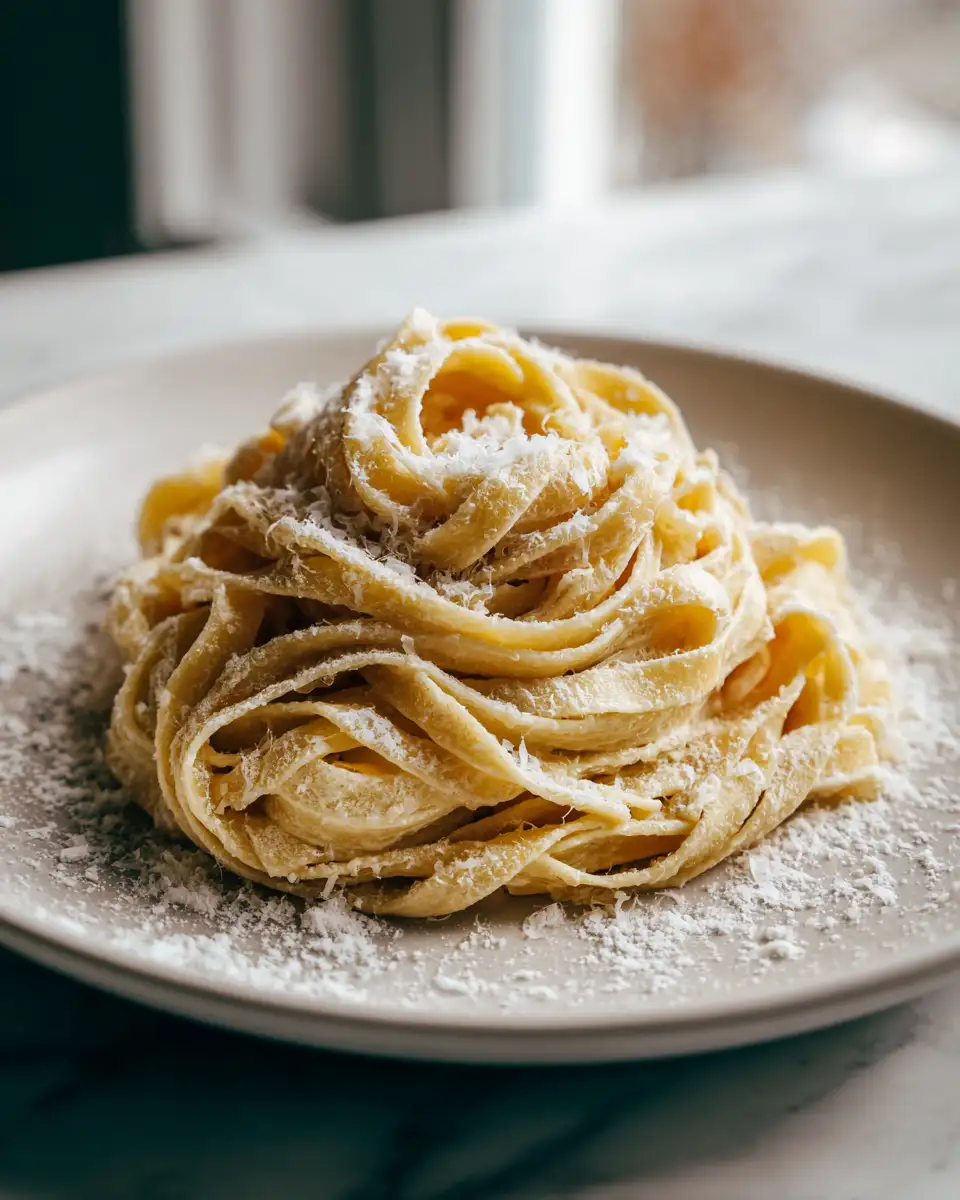
There’s something truly magical about watching dough transform into delicate strands of pasta right before your eyes—and that magic comes alive even more when you have a trusty KitchenAid pasta attachment spinning away. I remember the afternoons in Mama Lou’s sunlit kitchen, the air thick with flour dust and laughter, as she taught me and my sister Ouma the art of homemade pasta. Watching a kitchenaid pasta recipe video now brings back those warm memories, reminding me of how tradition and technology can beautifully blend. Whether you’re a seasoned pasta lover or a curious beginner, this method will have you rolling out fresh pasta in no time, capturing that old-world charm with a modern twist.
Table of Contents
Why You’ll Love This kitchenaid pasta recipe video
Watching a kitchenaid pasta recipe video is like unlocking a secret passed down through generations—but with a fun, modern tool in hand. This process is not only efficient but also deeply satisfying. I recall the countless hours Mama Lou spent rolling dough by hand, her hands dusted with flour, humming old Italian lullabies. While I cherish those moments, I also appreciate how the KitchenAid pasta attachment streamlines the process without sacrificing the soul of the dish.
You’ll love how this approach gives you consistent pasta thickness and texture, letting you focus on the joy of cooking rather than the struggle of manual rolling. Plus, it’s versatile—whether you crave tender fettuccine or delicate tagliolini, the pasta attachment handles it all with ease. This video will guide you step-by-step, ensuring your pasta is silky and fresh every time, just like Mama Lou’s kitchen magic, only with a helpful twist.
Ingredients You’ll Need for This kitchenaid pasta recipe video
- 2 cups all-purpose flour, plus extra for dusting
- 3 large eggs, at room temperature
- 1 tablespoon olive oil (optional, for added elasticity)
- 1/2 teaspoon fine sea salt
- Water as needed (start with 1-2 tablespoons)
If you want to experiment, you can swap all-purpose flour for “00” flour, which gives a silkier texture reminiscent of what Mama Lou used for special occasions. For a gluten-free option, a blend of rice flour and tapioca starch works well, though the texture will be slightly different. And if you prefer whole wheat, feel free to substitute half of the flour with whole wheat flour for a nuttier, heartier bite.
Nutrition Facts
- Calories: Approximately 220 per serving (about 1 cup cooked pasta)
- Protein: 8g
- Fat: 5g
- Carbohydrates: 35g
- Fiber: 1g
- Sugar: 1g
- Sodium: 150mg
These figures are based on a modest serving size and can vary depending on flour type and added ingredients. Homemade pasta like this tends to be more wholesome than store-bought, free from preservatives and additives, which is a comfort I always felt when cooking with Mama Lou.
Print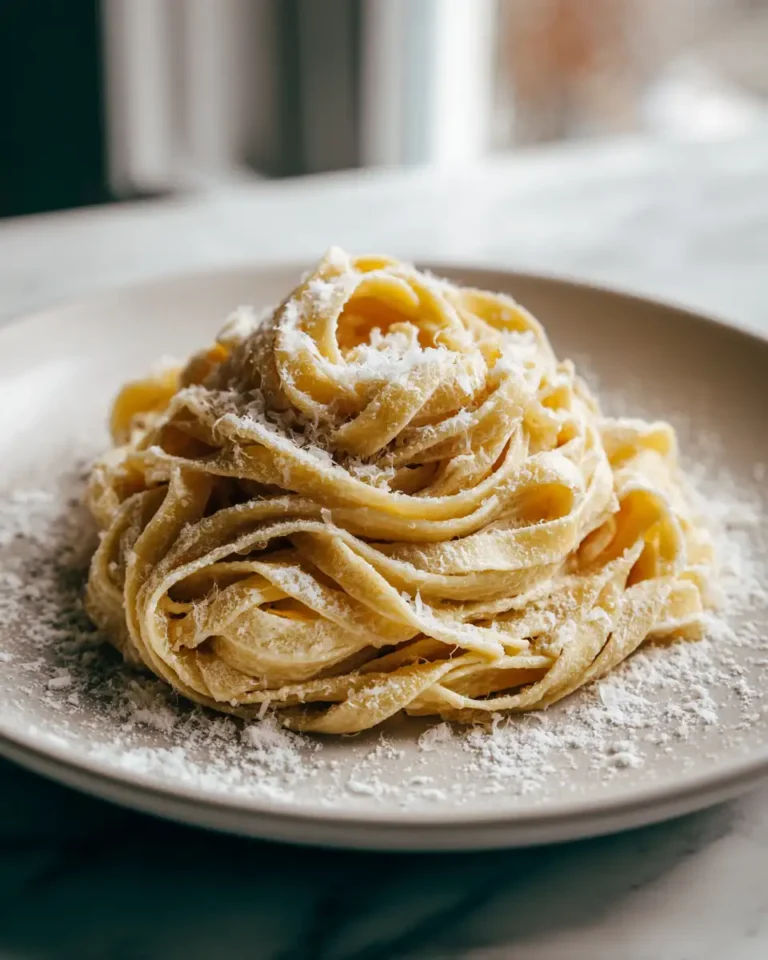
Master Homemade Pasta with This Easy KitchenAid Pasta Recipe Video
Learn how to make delicious kitchenaid pasta recipe video. Easy recipe with step-by-step instructions.
- Total Time: 45 minutes
- Yield: 4 servings 1x
Ingredients
- 2 cups all-purpose flour, plus extra for dusting
- 3 large eggs, at room temperature
- 1 tablespoon olive oil (optional, for added elasticity)
- 1/2 teaspoon fine sea salt
- Water as needed (start with 1-2 tablespoons)
If you want to experiment, you can swap all-purpose flour for “00” flour, which gives a silkier texture reminiscent of what Mama Lou used for special occasions. For a gluten-free option, a blend of rice flour and tapioca starch works well, though the texture will be slightly different. And if you prefer whole wheat, feel free to substitute half of the flour with whole wheat flour for a nuttier, heartier bite.
Instructions
- Attach the flat beater to your KitchenAid stand mixer. Add the flour and salt to the mixing bowl.
- Crack the eggs into a small bowl, whisk lightly, then pour into the flour mixture. Add olive oil if using.
- Mix on low speed until the dough starts to come together, about 2-3 minutes. If the dough feels too dry, add water one teaspoon at a time until it forms a soft ball.
- Switch to the dough hook attachment and knead on medium speed for 5-7 minutes. The dough should be smooth, elastic, and slightly tacky but not sticky.
- Remove dough from the bowl and wrap it tightly in plastic wrap. Let it rest at room temperature for at least 30 minutes. This step is crucial—Mama Lou always insisted on patience here for the gluten to relax.
- Divide the dough into 4 equal portions. Flatten one piece slightly and set your KitchenAid pasta roller to the widest setting.
- Feed the dough through the roller. Fold the dough in thirds and roll it again. Repeat this folding and rolling 3-4 times to develop the dough’s texture, dusting with flour as needed to prevent sticking.
- Gradually reduce the roller setting by one notch and roll the dough through each setting until you reach your desired thickness (usually setting 6 or 7 for fettuccine).
- Attach the pasta cutter to your mixer (fettuccine or spaghetti cutter). Feed the rolled dough sheet through the cutter to create your pasta strands.
- Lay the cut pasta on a floured surface or hang it on a drying rack for 15-20 minutes before cooking.
- Boil a large pot of salted water. Cook fresh pasta for 2-3 minutes until al dente. Fresh pasta cooks much faster than dried, so keep a close eye.
- Drain and toss immediately with your favorite sauce.
When I first tried this method, I was amazed at how quickly fresh pasta came together. I remember calling Ouma to share the success—she was always my co-chef and biggest cheerleader in the kitchen. She reminded me that the love poured into every step is what truly makes pasta special.
- Prep Time: 15 minutes
- Cook Time: 30 minutes
- Category: Main Dish
- Method: Cooking
- Cuisine: International
Steps to Create Your kitchenaid pasta recipe video
- Attach the flat beater to your KitchenAid stand mixer. Add the flour and salt to the mixing bowl.
- Crack the eggs into a small bowl, whisk lightly, then pour into the flour mixture. Add olive oil if using.
- Mix on low speed until the dough starts to come together, about 2-3 minutes. If the dough feels too dry, add water one teaspoon at a time until it forms a soft ball.
- Switch to the dough hook attachment and knead on medium speed for 5-7 minutes. The dough should be smooth, elastic, and slightly tacky but not sticky.
- Remove dough from the bowl and wrap it tightly in plastic wrap. Let it rest at room temperature for at least 30 minutes. This step is crucial—Mama Lou always insisted on patience here for the gluten to relax.
- Divide the dough into 4 equal portions. Flatten one piece slightly and set your KitchenAid pasta roller to the widest setting.
- Feed the dough through the roller. Fold the dough in thirds and roll it again. Repeat this folding and rolling 3-4 times to develop the dough’s texture, dusting with flour as needed to prevent sticking.
- Gradually reduce the roller setting by one notch and roll the dough through each setting until you reach your desired thickness (usually setting 6 or 7 for fettuccine).
- Attach the pasta cutter to your mixer (fettuccine or spaghetti cutter). Feed the rolled dough sheet through the cutter to create your pasta strands.
- Lay the cut pasta on a floured surface or hang it on a drying rack for 15-20 minutes before cooking.
- Boil a large pot of salted water. Cook fresh pasta for 2-3 minutes until al dente. Fresh pasta cooks much faster than dried, so keep a close eye.
- Drain and toss immediately with your favorite sauce.
When I first tried this method, I was amazed at how quickly fresh pasta came together. I remember calling Ouma to share the success—she was always my co-chef and biggest cheerleader in the kitchen. She reminded me that the love poured into every step is what truly makes pasta special. Learn more: Ultimate Pasta Recipe Card: Easy & Delicious Guide
Tips for Making the Best kitchenaid pasta recipe video
- Use room temperature eggs: They blend better into the dough and help with elasticity.
- Don’t rush the resting time: It makes a huge difference in dough texture and ease of rolling.
- Flour generously: Dust the dough and work surface to prevent sticking, but avoid over-flouring as it can dry out your pasta.
- Roll gradually: Move from the thickest to the thinnest setting slowly to avoid tearing the dough.
- Keep dough covered: When not rolling or cutting, wrap your dough to keep it from drying out.
- Practice patience: I learned from Mama Lou that the best pasta is made with time and care, not haste.
- Use fresh, high-quality flour: It really elevates the flavor and texture.
Serving Suggestions and Pairings
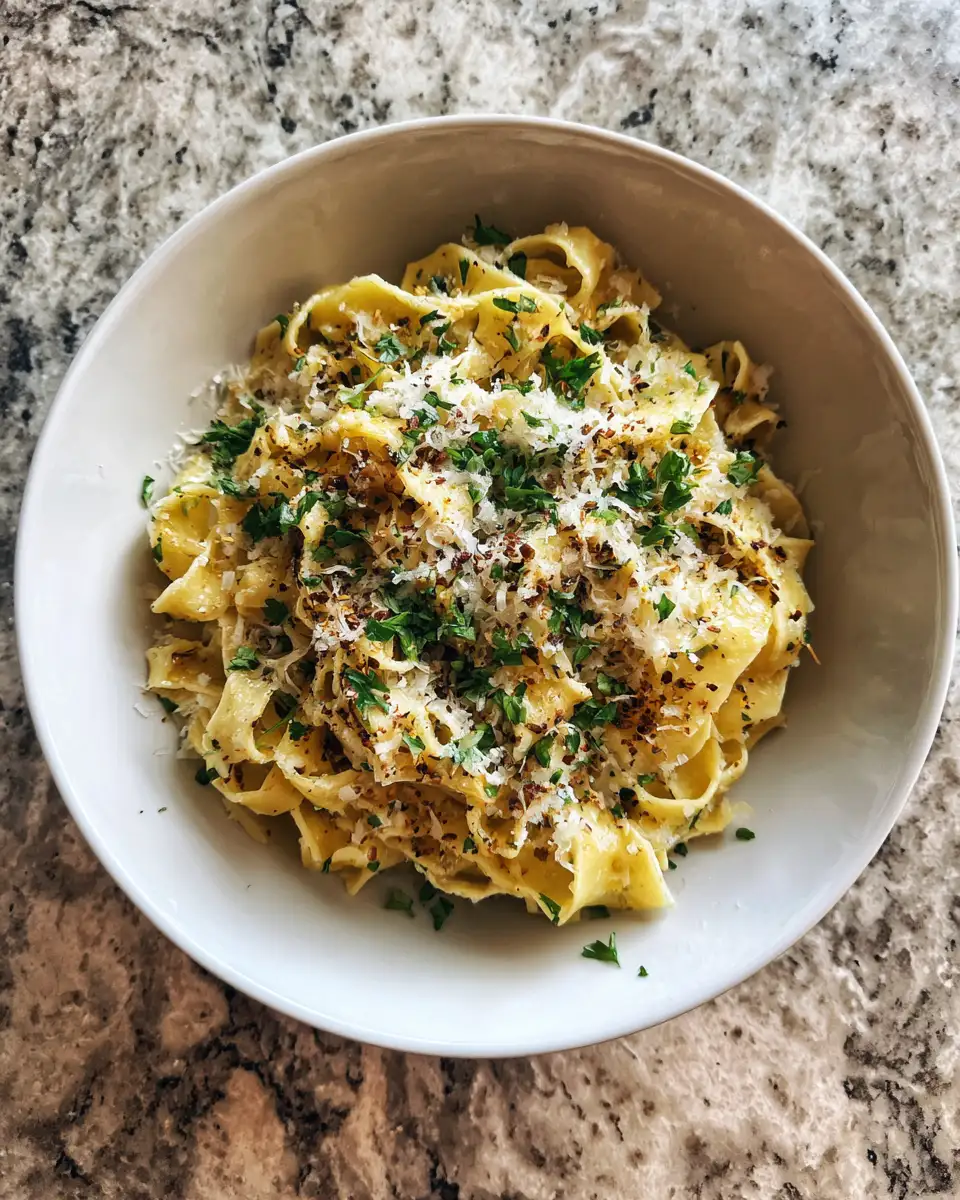
Fresh pasta is a blank canvas, and I love pairing it with both simple and rich sauces that bring out its delicate texture. One of my favorite memories with Ouma was making a fresh tomato and basil sauce, simple but bursting with summer flavor. Here are some of my top pairings:
- Classic marinara with fresh basil and a sprinkle of parmesan
- Brown butter sage sauce, a nod to Mama Lou’s rustic Italian roots
- Rich Bolognese, slow-simmered with love and patience
- Garlic, olive oil, and chili flakes for a quick, spicy touch
- Light cream sauce with peas and pancetta for something indulgent but balanced
Serving your pasta with a crisp green salad or crusty bread rounds out the meal beautifully—just like the family dinners I cherish, where stories flowed as freely as the wine.
Storage and Reheating Tips
Fresh pasta is best enjoyed immediately, but sometimes you’ll have leftovers or want to prep in advance. Here’s how to keep your pasta perfect:
- Refrigerate: Store fresh pasta in an airtight container for up to 2 days. Toss with a light drizzle of olive oil to prevent sticking.
- Freeze: Arrange pasta strands on parchment-lined trays and freeze until solid. Transfer to freezer bags and store for up to 2 months. No need to thaw before cooking—just add a minute or two to cooking time.
- Reheat: For refrigerated pasta, briefly sauté in a pan with a little sauce or olive oil until warmed through. Avoid microwaving, which can make pasta rubbery.
When I was learning to preserve pasta with Mama Lou, she emphasized that respect for ingredients means treating leftovers gently, honoring their texture and flavor just as she honored the simple, honest food of her childhood.
Frequently Asked Questions
What are the main ingredients for kitchenaid pasta recipe video?
The main ingredients for kitchenaid pasta recipe video include the items listed in our ingredients section above. Each ingredient plays a crucial role in achieving the perfect flavor and texture.
How long does it take to make kitchenaid pasta recipe video?
The total time to make kitchenaid pasta recipe video includes both preparation and cooking time. Check the recipe card above for exact timing details.
Can I make kitchenaid pasta recipe video ahead of time?
Yes, kitchenaid pasta recipe video can often be prepared in advance. Store it properly in an airtight container in the refrigerator and consume within the recommended timeframe.
What can I serve with kitchenaid pasta recipe video?
kitchenaid pasta recipe video pairs well with various sides and accompaniments. Consider the serving suggestions mentioned in the recipe for the best dining experience.
Is kitchenaid pasta recipe video suitable for special diets?
Depending on the ingredients used, kitchenaid pasta recipe video may be adapted for various dietary needs. Check the ingredients list and consider substitutions as needed for your dietary requirements.
Final Thoughts
Watching a kitchenaid pasta recipe video is more than just a cooking tutorial—it’s a bridge between past and present, between tradition and innovation. It’s about reconnecting with those moments in Mama Lou’s kitchen, the joy of flour on your hands, and the shared smiles with Ouma as fresh pasta took shape under our fingers. Using the KitchenAid pasta attachment doesn’t replace those memories; it enhances them, inviting a new generation to experience the art of pasta-making with ease and love.
So, whether you’re rolling dough for the first time or revisiting a cherished family recipe, remember that every strand you make carries a story. Let this video guide you, but don’t forget to add your own memories and magic along the way. After all, pasta is not just food—it’s love, tradition, and the sweetest kind of nostalgia.