
Filipino feasting has always held a special place in my heart, a vivid tapestry woven with laughter, the clinking of plates, and the unforgettable aromas that drift through the house when Mama Lou would cook. Growing up, these gatherings weren’t just about food—they were moments of connection, tradition, and pure joy. Whether it was a celebration or a simple Sunday meal, those tables were always laden with dishes that told stories of family, heritage, and love. Today, I want to share a recipe that captures that spirit perfectly—a dish that brings warmth to any Filipino feast and invites you to create your own memories around the table.
Why You’ll Love This filipino feasting
There’s something magical about Filipino feasting that goes beyond the flavors on your plate; it’s the feeling of home, of belonging. This recipe embodies that magic with every bite. It’s the kind of dish that Mama Lou would prepare when the whole family gathered, and I can still remember the way Ouma’s eyes would light up as she helped set the table. What makes this recipe special is its balance of bold, comforting flavors that remind me of our family’s kitchen—the mingling of salty, sweet, and tangy notes that make you reach for another serving without hesitation.
This dish is approachable enough for busy weeknights yet impressive enough for celebrations. Whether you’re cooking for loved ones or treating yourself, it offers a taste of Filipino tradition that feels both nostalgic and fresh. It’s a little like wrapping yourself in a warm blanket made of memories and spices.
Ingredients You’ll Need for This filipino feasting
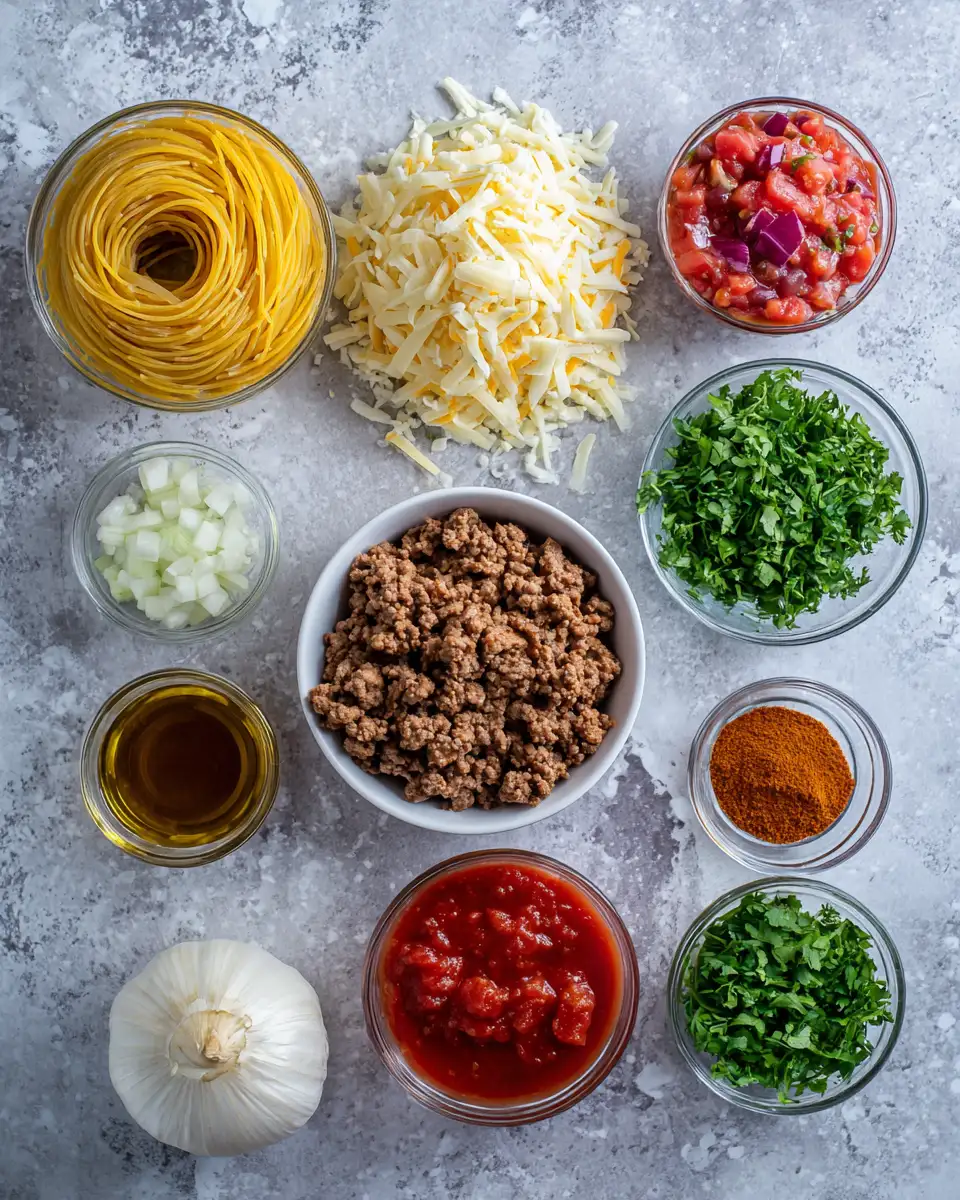
- 2 pounds pork shoulder, cut into 2-inch cubes
- 1/2 cup soy sauce
- 1/4 cup cane vinegar (substitute with apple cider vinegar for a milder taste)
- 6 cloves garlic, minced
- 1 large onion, sliced thinly
- 2 bay leaves
- 1 teaspoon whole black peppercorns
- 2 tablespoons brown sugar (optional, for a subtle sweetness)
- 1 cup water or pork broth
- 2 tablespoons cooking oil (coconut oil preferred for authenticity)
- Salt to taste
- Freshly ground black pepper to taste
Substitution tip: If pork isn’t your preference, chicken thighs work beautifully with this recipe, soaking up the marinade and becoming tender and flavorful.
Nutrition Facts
- Calories: Approximately 350 per serving
- Protein: 28g
- Fat: 22g
- Carbohydrates: 6g
- Fiber: 0.5g
- Sugar: 3g
- Sodium: 800mg
This dish packs a hearty protein punch while keeping carbs low, making it satisfying without weighing you down. The sodium content can be adjusted easily by using low-sodium soy sauce, something I often recommend when cooking for family members with dietary concerns.
Print
Ultimate Guide to Filipino Feasting and Flavorful Traditions
Learn how to make delicious filipino feasting. Easy recipe with step-by-step instructions.
- Total Time: 45 minutes
- Yield: 4 servings 1x
Ingredients
- 2 pounds pork shoulder, cut into 2-inch cubes
- 1/2 cup soy sauce
- 1/4 cup cane vinegar (substitute with apple cider vinegar for a milder taste)
- 6 cloves garlic, minced
- 1 large onion, sliced thinly
- 2 bay leaves
- 1 teaspoon whole black peppercorns
- 2 tablespoons brown sugar (optional, for a subtle sweetness)
- 1 cup water or pork broth
- 2 tablespoons cooking oil (coconut oil preferred for authenticity)
- Salt to taste
- Freshly ground black pepper to taste
Substitution tip: If pork isn’t your preference, chicken thighs work beautifully with this recipe, soaking up the marinade and becoming tender and flavorful.
Instructions
- In a large bowl, combine the pork cubes with soy sauce, vinegar, minced garlic, and sliced onions. Add the bay leaves, peppercorns, and brown sugar if using. Cover and marinate in the refrigerator for at least 2 hours, or overnight for deeper flavor. Mama Lou always insisted on letting the meat soak overnight—she said it made all the difference.
- Heat the cooking oil in a heavy-bottomed pot over medium heat. Remove pork pieces from the marinade, reserving the liquid, and brown the meat on all sides—this should take about 8-10 minutes. Browning adds a layer of caramelized flavor that brings the dish alive, a step I never skip.
- Once browned, pour the reserved marinade along with the water or broth into the pot. Bring to a boil, then reduce to a simmer and cover. Let it cook gently for about 1 to 1.5 hours until the pork is tender and the sauce has thickened slightly.
- Halfway through cooking, give the pot a gentle stir to prevent sticking and to check the liquid level. Add a splash more water if it looks too dry. I remember Ouma’s careful stirring during family feasts—she believed slow, patient cooking was the secret to soulful meals.
- Once the pork is tender and the sauce rich, season with salt and freshly ground pepper to taste. For a finishing touch, remove the bay leaves and let the dish rest for 5 minutes before serving to allow flavors to meld perfectly.
- Prep Time: 15 minutes
- Cook Time: 30 minutes
- Category: Main Dish
- Method: Cooking
- Cuisine: International
Steps to Create Your filipino feasting
- In a large bowl, combine the pork cubes with soy sauce, vinegar, minced garlic, and sliced onions. Add the bay leaves, peppercorns, and brown sugar if using. Cover and marinate in the refrigerator for at least 2 hours, or overnight for deeper flavor. Mama Lou always insisted on letting the meat soak overnight—she said it made all the difference.
- Heat the cooking oil in a heavy-bottomed pot over medium heat. Remove pork pieces from the marinade, reserving the liquid, and brown the meat on all sides—this should take about 8-10 minutes. Browning adds a layer of caramelized flavor that brings the dish alive, a step I never skip.
- Once browned, pour the reserved marinade along with the water or broth into the pot. Bring to a boil, then reduce to a simmer and cover. Let it cook gently for about 1 to 1.5 hours until the pork is tender and the sauce has thickened slightly.
- Halfway through cooking, give the pot a gentle stir to prevent sticking and to check the liquid level. Add a splash more water if it looks too dry. I remember Ouma’s careful stirring during family feasts—she believed slow, patient cooking was the secret to soulful meals.
- Once the pork is tender and the sauce rich, season with salt and freshly ground pepper to taste. For a finishing touch, remove the bay leaves and let the dish rest for 5 minutes before serving to allow flavors to meld perfectly.
Tips for Making the Best filipino feasting
From years of cooking alongside Mama Lou and experimenting with family recipes, I’ve learned a few things that really elevate this dish: Learn more: The Ultimate Guide to Authentic Southern Collard Greens
- Marinate longer: The longer the pork soaks, the more the flavors penetrate the meat. Overnight is best, but even a couple of hours make a big difference.
- Don’t rush the browning: Getting a good sear on the meat locks in juices and adds depth to the final flavor. Use medium heat and be patient.
- Adjust vinegar carefully: Vinegar is key to this recipe’s bright tang, but each brand varies. Start with less, then add more during cooking if needed.
- Use fresh garlic and onions: These aromatics are the backbone of the dish. Fresh ingredients always elevate the taste.
- Consider coconut oil: It adds a subtle hint of sweetness and authenticity that instantly brings me back to my childhood kitchen.
Serving Suggestions and Pairings
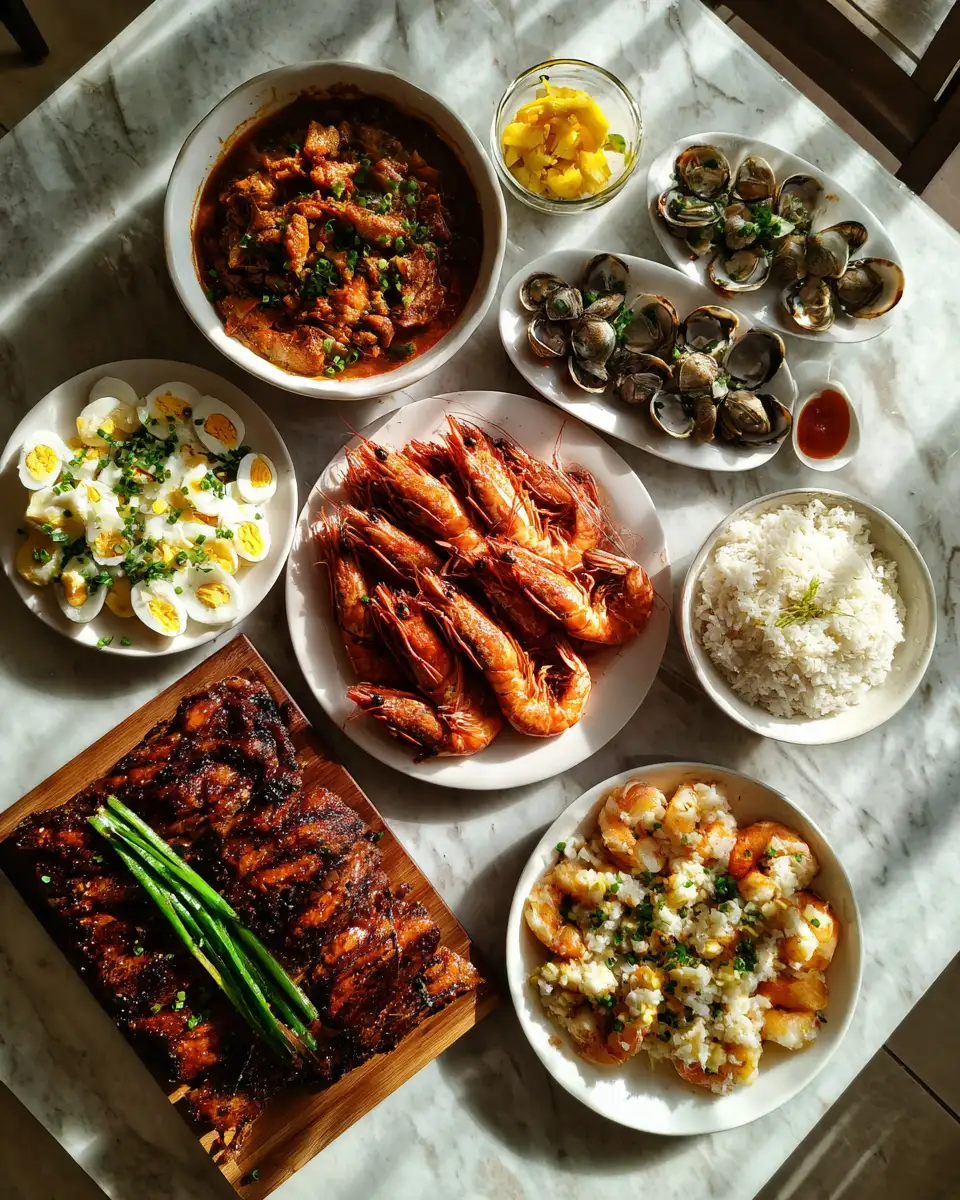
When I think of Filipino feasting, it’s always about sharing plates and making the table feel full. This dish pairs beautifully with:
- Steamed jasmine or garlic rice—perfect for soaking up the tangy sauce
- Fresh, crisp atchara (pickled papaya) to balance the rich flavors
- Simple sautéed greens like kangkong or bok choy for freshness and color
- A side of fried plantains or sweet banana cue for a touch of sweetness
One of my favorite memories is sitting on the floor with Ouma and Mama Lou, sharing plates with our hands, dipping rice into the sauce, and savoring every bite. It’s these moments—simple yet profound—that Filipino feasting brings to life.
Storage and Reheating Tips
Leftovers from Filipino feasting always taste even better the next day as the flavors have more time to mingle. Here’s how to keep your dish at its best:
- Store in an airtight container in the refrigerator for up to 3 days.
- When reheating, warm gently on the stove over low heat to preserve tenderness and prevent drying out. Add a splash of water if the sauce thickens too much.
- For longer storage, freeze in a suitable container for up to 2 months. Thaw overnight in the fridge before reheating.
I often pack leftovers for my family’s lunches, knowing that a taste of home can brighten even the busiest day. Mama Lou always said that food is love you can carry with you, and this dish is no exception.
Frequently Asked Questions
What are the main ingredients for filipino feasting?
The main ingredients for filipino feasting include the items listed in our ingredients section above. Each ingredient plays a crucial role in achieving the perfect flavor and texture.
How long does it take to make filipino feasting?
The total time to make filipino feasting includes both preparation and cooking time. Check the recipe card above for exact timing details.
Can I make filipino feasting ahead of time?
Yes, filipino feasting can often be prepared in advance. Store it properly in an airtight container in the refrigerator and consume within the recommended timeframe.
What can I serve with filipino feasting?
filipino feasting pairs well with various sides and accompaniments. Consider the serving suggestions mentioned in the recipe for the best dining experience.
Is filipino feasting suitable for special diets?
Depending on the ingredients used, filipino feasting may be adapted for various dietary needs. Check the ingredients list and consider substitutions as needed for your dietary requirements.
Final Thoughts
Embracing Filipino feasting through this recipe is about more than just cooking—it’s about honoring family traditions, celebrating heritage, and creating new memories with every meal. Every time I make this dish, I’m transported back to Mama Lou’s kitchen, the warmth of her smile, and the lively chatter of loved ones gathered close. It reminds me that food is a language of love, one that speaks deeply to our hearts and souls.
I hope this recipe invites you to your own moments of joy, whether with family, friends, or simply as a comforting meal for yourself. Filipino feasting isn’t just a style of cooking—it’s a way to nourish the body and spirit, one heartfelt dish at a time.