
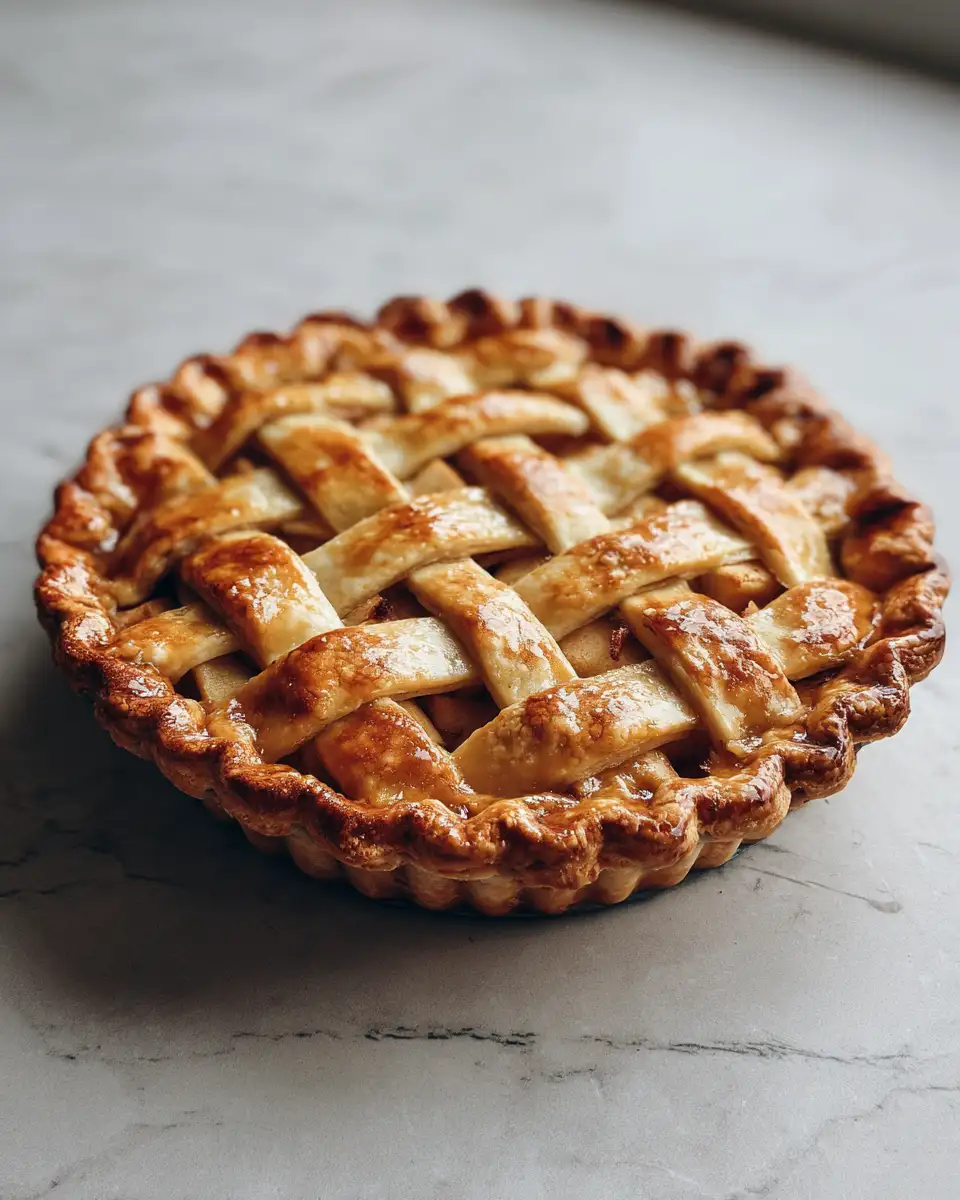
There’s something deeply comforting about the scent of a freshly baked pie crust wafting through the kitchen—a scent that takes me right back to Mama Lou’s cozy kitchen, where I learned that the heart of any great pie truly begins with its crust. Today, I’m excited to share with you The Ultimate Pie Crust Guide, a warm, heartfelt journey into crafting that perfect, flaky foundation. Whether you’re a seasoned baker or just starting out, this guide is sprinkled with stories, tips, and traditions that have been lovingly passed down from my family, including those cherished afternoons spent with my sister Ouma, rolling dough and swapping laughs.
Table of Contents
Why You’ll Love This The Ultimate Pie Crust Guide
Pie crusts can be intimidating, but they don’t have to be. I remember the first time Mama Lou handed me a ball of dough and said, “Sofia, treat it like a friend—not a stranger.” That advice stuck with me through countless batches of crusts and pies. This guide is designed to demystify the process and help you build confidence with each fold and roll.
What makes this the ultimate pie crust guide? It’s not just about the ingredients or the techniques, but the stories and memories that make every pie special. From flaky, buttery textures to tender, crumbly bites, this crust will hold your fillings with grace and charm. Plus, I’ll share my personal tips that I’ve gathered from years of baking alongside my family—because nothing beats a crust made with love and tradition.
Ingredients You’ll Need for This The Ultimate Pie Crust Guide
- 2 1/2 cups all-purpose flour, plus extra for dusting (you can substitute half with whole wheat pastry flour for a nuttier flavor)
- 1 teaspoon salt
- 1 tablespoon granulated sugar (optional, adds a touch of sweetness)
- 1 cup (2 sticks) unsalted butter, very cold and cut into small cubes (for a richer crust, try half butter and half vegetable shortening)
- 4 to 6 tablespoons ice-cold water
- 1 teaspoon apple cider vinegar or lemon juice (helps tenderize the dough and prevent toughness – a little secret Mama Lou shared with me!)
Nutrition Facts
- Calories: Approximately 320 per serving (1/8 of the crust)
- Protein: 3g
- Fat: 22g (mostly from butter, which gives that luscious flakiness)
- Carbohydrates: 27g
- Fiber: 1g
- Sugar: 1g (from the optional sugar)
- Sodium: 210mg
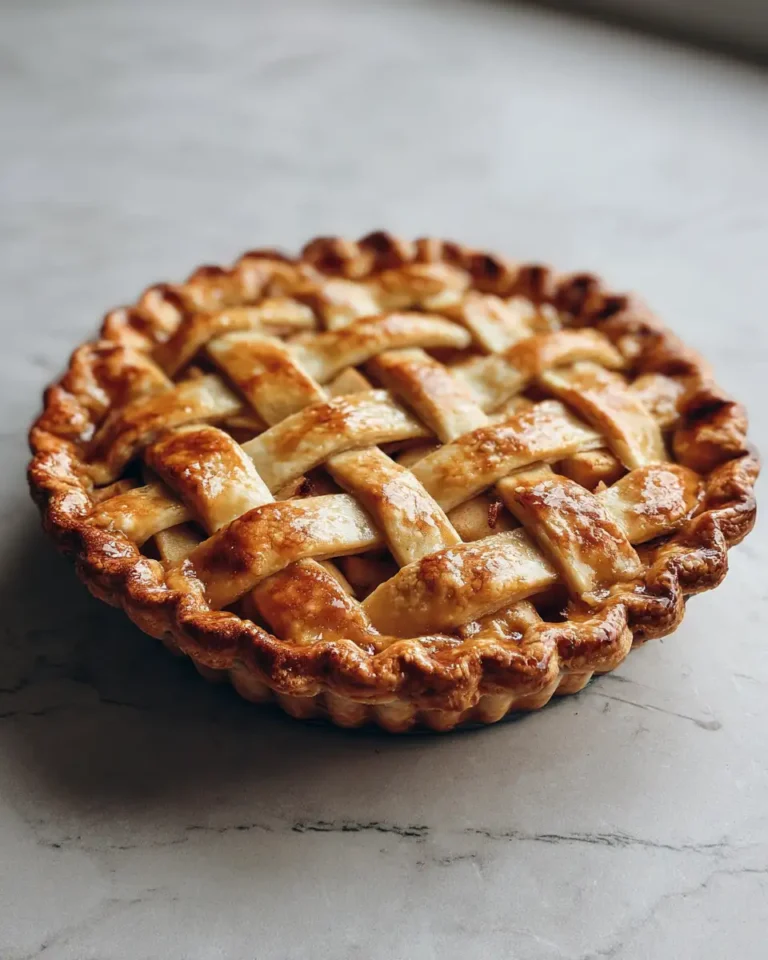
The Ultimate Pie Crust Guide Your Secret to Flaky Perfect Pies
Learn how to make delicious The Ultimate Pie Crust Guide. Easy recipe with step-by-step instructions.
- Total Time: 45 minutes
- Yield: 4 servings 1x
Ingredients
- 2 1/2 cups all-purpose flour, plus extra for dusting (you can substitute half with whole wheat pastry flour for a nuttier flavor)
- 1 teaspoon salt
- 1 tablespoon granulated sugar (optional, adds a touch of sweetness)
- 1 cup (2 sticks) unsalted butter, very cold and cut into small cubes (for a richer crust, try half butter and half vegetable shortening)
- 4 to 6 tablespoons ice-cold water
- 1 teaspoon apple cider vinegar or lemon juice (helps tenderize the dough and prevent toughness – a little secret Mama Lou shared with me!)
Instructions
- Start by chilling your butter cubes in the freezer for about 15 minutes while you prepare the dry ingredients. Cold butter is key to that flaky texture Mama Lou always loved.
- In a large mixing bowl, whisk together the flour, salt, and sugar until evenly combined.
- Add the cold butter cubes to the flour mixture. Using a pastry cutter, two forks, or even your fingertips (quickly!), cut the butter into the flour until the mixture resembles coarse crumbs with pea-sized pieces of butter still visible.
- Sprinkle the apple cider vinegar or lemon juice over the mixture. This small addition keeps the crust tender and easy to work with.
- Slowly add the ice-cold water, one tablespoon at a time, gently tossing the dough with a fork or your hands after each addition. Stop when the dough just starts to come together but isn’t wet or sticky. This usually takes about 4-6 tablespoons.
- Turn the dough out onto a lightly floured surface and gently press it together into two discs, being careful not to overwork it. Overworking can make the crust tough—a lesson I learned after too many hurried attempts in my early baking days.
- Wrap each disc tightly in plastic wrap and refrigerate for at least 1 hour, or up to 2 days. This resting time lets the gluten relax and the butter firm up, so your crust will puff and flake beautifully when baked.
- When ready to roll, lightly flour your surface and rolling pin. Roll each disc from the center outward into a 12-inch circle, turning the dough a quarter turn every few rolls to keep it even. My sister Ouma always reminds me to “roll gently, like you’re coaxing the dough, not beating it.”
- Transfer the rolled dough to your pie dish by gently rolling the dough onto the rolling pin and unrolling it over the dish. Press it lightly into the dish without stretching.
- Trim any excess dough, leaving about a 1-inch overhang. Fold the edges under and crimp with your fingers or a fork for a pretty finish.
- For a pre-baked crust (great for cream pies or quiches), prick the bottom with a fork, line with parchment paper, fill with pie weights or dried beans, and bake at 375°F for 20 minutes. Remove weights and bake for an additional 10 minutes until golden.
- Prep Time: 15 minutes
- Cook Time: 30 minutes
- Category: Main Dish
- Method: Cooking
- Cuisine: International
Steps to Create Your The Ultimate Pie Crust Guide
- Start by chilling your butter cubes in the freezer for about 15 minutes while you prepare the dry ingredients. Cold butter is key to that flaky texture Mama Lou always loved.
- In a large mixing bowl, whisk together the flour, salt, and sugar until evenly combined.
- Add the cold butter cubes to the flour mixture. Using a pastry cutter, two forks, or even your fingertips (quickly!), cut the butter into the flour until the mixture resembles coarse crumbs with pea-sized pieces of butter still visible.
- Sprinkle the apple cider vinegar or lemon juice over the mixture. This small addition keeps the crust tender and easy to work with.
- Slowly add the ice-cold water, one tablespoon at a time, gently tossing the dough with a fork or your hands after each addition. Stop when the dough just starts to come together but isn’t wet or sticky. This usually takes about 4-6 tablespoons.
- Turn the dough out onto a lightly floured surface and gently press it together into two discs, being careful not to overwork it. Overworking can make the crust tough—a lesson I learned after too many hurried attempts in my early baking days.
- Wrap each disc tightly in plastic wrap and refrigerate for at least 1 hour, or up to 2 days. This resting time lets the gluten relax and the butter firm up, so your crust will puff and flake beautifully when baked.
- When ready to roll, lightly flour your surface and rolling pin. Roll each disc from the center outward into a 12-inch circle, turning the dough a quarter turn every few rolls to keep it even. My sister Ouma always reminds me to “roll gently, like you’re coaxing the dough, not beating it.”
- Transfer the rolled dough to your pie dish by gently rolling the dough onto the rolling pin and unrolling it over the dish. Press it lightly into the dish without stretching.
- Trim any excess dough, leaving about a 1-inch overhang. Fold the edges under and crimp with your fingers or a fork for a pretty finish.
- For a pre-baked crust (great for cream pies or quiches), prick the bottom with a fork, line with parchment paper, fill with pie weights or dried beans, and bake at 375°F for 20 minutes. Remove weights and bake for an additional 10 minutes until golden.
Tips for Making the Best The Ultimate Pie Crust Guide
Through years of baking with Mama Lou and Ouma, I’ve picked up some precious nuggets of wisdom that I want to pass along to you, so your crusts come out perfect every time.
- Keep everything cold: From your butter to your water, cold ingredients are essential. Warm butter melts too soon and ruins that flaky texture.
- Don’t overwork the dough: Mix and roll just enough to bring it together. Over-kneading activates gluten and makes the crust tough.
- Rest is your friend: Refrigerate the dough before rolling. This step is non-negotiable for a tender, easy-to-handle crust.
- Use a light touch with flour: Flour your surface and rolling pin lightly to prevent sticking, but too much flour can dry out the dough.
- Practice patience: I remember how my first few pies looked—more like rustic, misshapen art! But each attempt taught me a little more about the dough’s temperament.
- Experiment with fats: Butter gives flavor and flakiness, but adding shortening can make the crust tender and easier to handle, especially in warm kitchens.
Serving Suggestions and Pairings
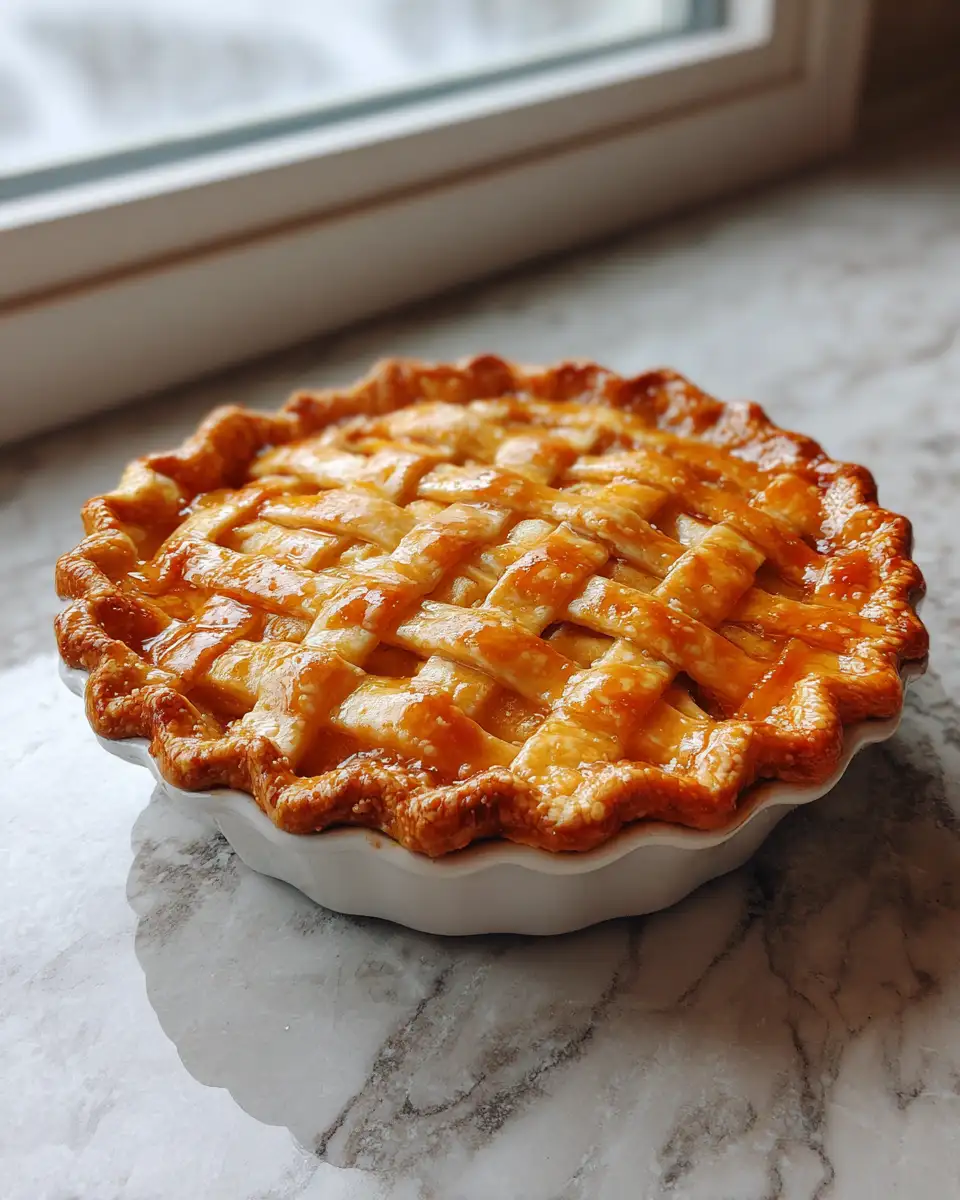
Once you’ve mastered this crust, the world of pies is your oyster—or should I say, your pumpkin, apple, or pecan! My favorite memory is sitting down with Ouma after a day of baking, sharing slices of warm apple pie topped with vanilla ice cream. Here are some ways to enjoy your crust: Learn more: Sweet Symphony: Discover the Ultimate Greek Honey Pie Recipe
- Fill it with classic apple, cherry, or blueberry pie fillings for a traditional treat.
- Use it as a base for savory quiches filled with spinach, cheese, and bacon—Mama Lou’s Sunday brunch favorite.
- Try a custard or cream pie with a pre-baked crust for a silky dessert.
- Pair a slice with a scoop of homemade ice cream or a dollop of fresh whipped cream for extra indulgence.
- Serve mini tartlets for afternoon tea, a tradition I treasure from family gatherings.
Storage and Reheating Tips
I know how tempting it is to devour every crumb right away, but sometimes you’ll want to save some for later. Here’s how to keep your pie crust fresh and flaky:
- Unbaked dough: Wrap tightly in plastic wrap and store in the refrigerator for up to 2 days, or freeze for up to 3 months. Thaw overnight in the fridge before rolling.
- Baked crust or pie: Cover loosely with foil or plastic wrap and store at room temperature for up to 2 days or in the refrigerator for up to 5 days.
- Reheating: Warm slices in a 350°F oven for 10-15 minutes to refresh crispness. Avoid microwaving, which can make the crust soggy.
- Freezing pies: Freeze a fully baked pie wrapped in foil for up to 2 months. Thaw overnight in the fridge and reheat as above.
Frequently Asked Questions
What are the main ingredients for The Ultimate Pie Crust Guide?
The main ingredients for The Ultimate Pie Crust Guide include the items listed in our ingredients section above. Each ingredient plays a crucial role in achieving the perfect flavor and texture.
How long does it take to make The Ultimate Pie Crust Guide?
The total time to make The Ultimate Pie Crust Guide includes both preparation and cooking time. Check the recipe card above for exact timing details.
Can I make The Ultimate Pie Crust Guide ahead of time?
Yes, The Ultimate Pie Crust Guide can often be prepared in advance. Store it properly in an airtight container in the refrigerator and consume within the recommended timeframe.
What can I serve with The Ultimate Pie Crust Guide?
The Ultimate Pie Crust Guide pairs well with various sides and accompaniments. Consider the serving suggestions mentioned in the recipe for the best dining experience.
Is The Ultimate Pie Crust Guide suitable for special diets?
Depending on the ingredients used, The Ultimate Pie Crust Guide may be adapted for various dietary needs. Check the ingredients list and consider substitutions as needed for your dietary requirements.
Final Thoughts
Creating the perfect pie crust is more than just following a recipe—it’s about honoring traditions, embracing imperfections, and sharing moments with those we love. Every time I roll out dough, I feel a connection to Mama Lou’s gentle hands guiding mine, and to Ouma’s laughter filling the kitchen. The Ultimate Pie Crust Guide isn’t just a set of instructions; it’s a celebration of family, patience, and the simple joy of baking from the heart.
“A good pie crust is like a warm hug from home.”
So, take your time, cherish the process, and remember that the best pie crust is the one made with love. I can’t wait to hear about your baking adventures and how this guide has helped you bring a little bit of my family’s kitchen into yours.